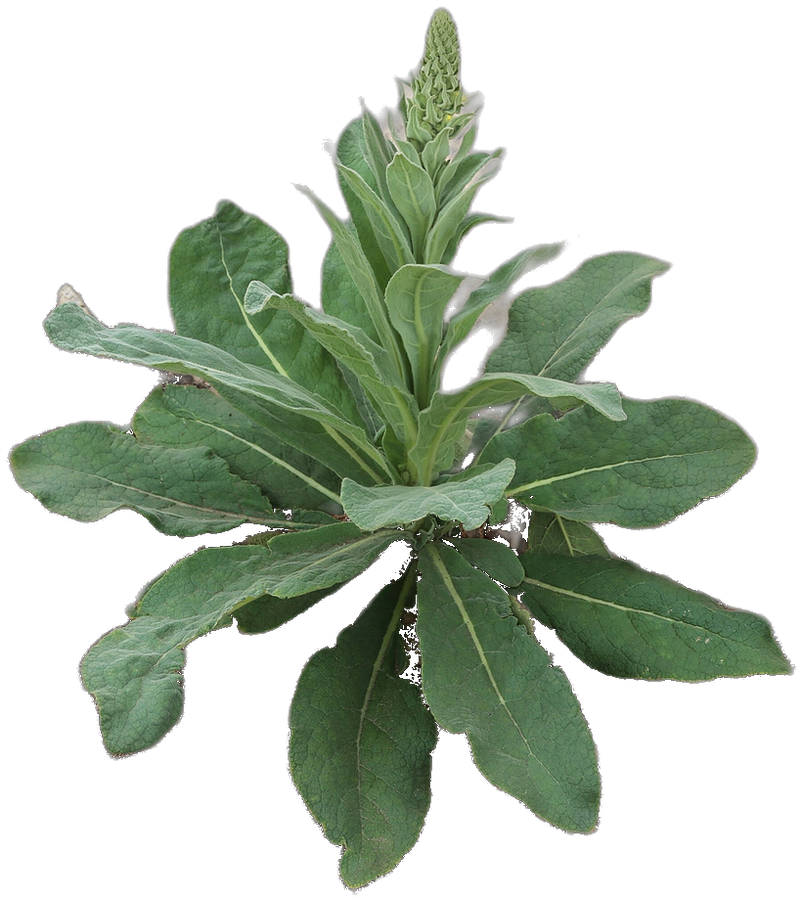
Plant identity & parts used
Verbascum thapsus (family Scrophulariaceae) is a Eurasian biennial naturalized widely in North America. First-year growth is a soft, gray-green basal rosette; second year sends up a tall flowering spike with yellow blossoms. Traditional herbal education commonly discusses:
- Leaf — dried or fresh for infusions; demulcent / “soothing” folklore
- Flower — sometimes infused in oil for external folk use (educational history, not a product endorsement)
- Root — less common in modern tea jars; mentioned in older herbals
Field look-alikes exist; identify carefully. Woolly mullein leaf is not a generic “any fuzzy leaf” category.
Orthomolecular / nutritional framing
In Journey2Health orthomolecular framing (Levy / OMNS / DoctorYourself literacy), mullein is treated as a traditional respiratory food-herb, not as a primary electron-donor nutrient. Levy-style oxidative-stress education centers ascorbate (vitamin C), redox terrain, and foundational minerals — herbs sit beside that core as supportive culinary and historical literacy.
- Terrain, not slogan cures — Aromatic and demulcent teas appear in nutritional conversations as comfort habits during colds/flu season literacy (colds & flu, coughing), always labeled education.
- Hydration + mineral context — Warm fluids and magnesium / electrolyte awareness often sit next to “soothing tea” folklore in OMNS-style kitchen teaching.
- Smoke folklore vs modern caution — Historical “mullein smoke” mentions appear in older settler and folk texts; modern educational pages generally discourage inhaling any plant smoke as lung-irritant risk — especially with asthma/COPD conversations (asthma, COPD).
Thomas Levy’s broader model does not crown mullein as a primary antiviral drug analogue; keep ascorbate depth and clinical care in their proper columns.
What mucilage & saponins do (educational chemistry)
Botanical education often highlights two compound classes in mullein leaf discussions:
- Mucilage (polysaccharide gels) — Water-extractable, slippery carbohydrate fractions traditionally associated with a coating / demulcent mouthfeel in teas. Educational claim shape: “soothes irritated mucous membranes” is folk and herbal-pharmacognosy language, not a substitute for diagnosing infection, asthma exacerbation, or foreign-body airway problems. Mucilage is not an antibiotic and is not quantified here as a drug dose.
- Saponins — Soap-like amphiphilic glycosides discussed in herbal texts for expectorant folklore (helping loosen thick mucus in traditional language). Mechanistic stories vary; clinical proof for specific disease outcomes is not assumed on this page. Saponins can also irritate GI mucosa in sensitive people at high extract strength.
- Flavonoids & iridoid glycosides — Additional secondary metabolites appear in phytochemical surveys of Verbascum; they are literacy markers, not dosage charts.
Takeaway for learners: tea chemistry ≠ pharmaceutical monograph. Strain leaf hairs carefully (fine wool can irritate throat if unfiltered) — practical kitchen tip, not a clinic protocol.
Respiratory tradition & conditions map (education only)
European and North American folk herbals place mullein near dry cough, “chest cold,” and throat comfort conversations. NCCIH-style and pharmacognosy sources discuss traditional use more than robust modern RCT proof for disease treatment.
No cure claims
Condition names (cough, colds, pertussis, asthma, COPD, laryngitis) appear only to map how traditional and nutritional sources discuss the plant. Presence here is not evidence that mullein treats, cures, or replaces care for any diagnosis — especially whooping cough in infants or acute respiratory distress.
- Tea demulcent folklore — Warm strained leaf infusion after meals or at bedtime appears in kitchen herb books.
- Oil of flowers — Historical external ear folklore exists in popular herb writing; do not put oils in ears with perforated drums or infection without clinician guidance — educational caution only.
- Orthomolecular pairing literacy — When OMNS / Levy materials discuss respiratory seasons, foundational nutrients (vitamin C, D literacy, zinc context) remain primary teaching; mullein stays optional traditional tea, not the centerpiece.
Quantified notes (where available)
Unlike parsley or spearmint, mullein leaf is not a major USDA SR28 / nutritiondata.self.com culinary staple with a rich everyday NDB household table. FoodData Central may list tea/herb specialty entries inconsistently; treat mineral density claims with skepticism unless an NDB/FDC number is cited for the exact product.
- Tea as beverage, not multivitamin — A cup of strained mullein tea contributes primarily water + trace leachates; do not expect kale-level vitamin K or citrus-level vitamin C from leaf tea alone.
- Compare with quantified kitchen herbs — For SR28-style mineral teaching examples see Herbs · quantified examples, mint, and dandelion greens.
- nutritiondata.self.com / FDC — Prefer looking up the exact dried-herb SKU if a commercial tea lists nutrition; many herbal teas declare negligible macros.
Historical & folk context
Mullein’s English names (great mullein, Aaron’s rod, candlewick plant) track the tall yellow spike and the woolly leaf once used as lamp wicks in folk craft stories. Greco-Roman and later European herbals discuss Verbascum for respiratory and demulcent uses; colonial North America adopted the naturalized plant into settler kitchen-medicine shelves. Indigenous North American plant knowledge is diverse by nation — after naturalization, some communities incorporated available mullein; that is not a claim of pan-continental pre-contact doctrine. Prefer nation-specific ethnobotanical sources over viral pan-Indigenous lists.
Educational arc: Old World biennial → colonial / disturbed-soil naturalization → folk respiratory tea plant → modern herbal-product shelf. Landscaping “weed” status is recent judgment layered on older practical plant use.
Kitchen / tea literacy (culinary education)
Strained leaf infusion
1 tsp dried leaf (or a small piece of fresh young leaf) in ~240 ml near-boiling water, steep 5–10 minutes, strain through fine cloth or coffee filter to remove woolly hairs. Optional: lemon, honey (not for infants), or a sprig of mint. Beverage education — not a drug dose.
Blends
Traditional tea blenders sometimes pair mullein with mint, thyme, or marshmallow-root-type demulcents. Pairing is palate and folklore, not a medical formula.
References & further learning
PubMed and agency links are starting points; always read primary papers and consult professionals for personal decisions. No personal names are used on this herb page except when quoting attributed protocols elsewhere on the site (not here).