What magnesium is
Magnesium is a macromineral and obligatory cofactor for hundreds of enzymatic reactions — commonly taught in the range of 300+ enzymes, with broader “Mg-dependent processes” numbering far higher when every kinase that uses Mg-ATP is counted. Roughly half of body magnesium sits in bone; most of the rest is intracellular. Serum magnesium is a narrow, tightly regulated slice of total body stores — so a “normal” blood value does not always equal fully replete tissues.
Dietary surveys often place many adults near or below estimated average requirements, especially with low vegetable/nut intake, refined-grain patterns, or high ultraprocessed diets. Soil and food-processing trends are discussed educationally as context, not as a panic narrative. Orthomolecular and nutritional educators (including writers in the Thomas Levy / OMNS tradition) treat magnesium repletion as foundational terrain work alongside vitamin C, vitamin D/K, and electrolyte literacy.
Lymphatic flow — nutritional-tradition / orthomolecular literacy
Label carefully: The following is an educational nutritional-literature perspective, not a drug claim, not a medical device claim, and not a promise that magnesium “treats lymphedema” or any disease.
Within orthomolecular and traditional nutritional teaching, magnesium is sometimes described as helping to support or metaphorically “lubricate” lymphatic flow — language that points to magnesium’s roles in smooth-muscle tone, tissue hydration/electrolyte balance, and reduced neuromuscular “tightness,” which teachers connect to how lymph moves through vessels and nodes. Lymph is not pumped by a single central heart the way arterial blood is; movement depends on skeletal-muscle activity, vessel smooth muscle, valves, breathing mechanics, and the fluid/electrolyte milieu of the interstitium.
Nutritional educators therefore discuss magnesium alongside hydration, movement, breathing, and other minerals when teaching “terrain” and drainage literacy. That framing belongs with food-first and supplemental magnesium education — always subordinate to clinical care for true lymphatic disease, infection, or obstruction.
Quantified food sources
Household measures below are scaled from USDA SR28 nutrient data (the same underlying USDA dataset historically displayed on nutritiondata.self.com). At edit time, nutritiondata.self.com was unreachable (DNS/server failure); values were therefore taken from the USDA SR28 ASCII release and are labeled with NDB numbers. Prefer cross-checking on nutritiondata.self.com when the site is available; NIH FoodData Central remains a public backup.
- Pumpkin seed kernels, roasted, unsalted — 1 oz (28.35 g) (SR28 NDB 12016): magnesium ~156 mg; phosphorus ~333 mg; zinc ~2.2 mg; iron ~2.3 mg; copper ~0.36 mg; protein ~8.5 g.
- Chia seeds, dried — 1 oz (28.35 g) (NDB 12006): magnesium ~95 mg; calcium ~179 mg; phosphorus ~244 mg; iron ~2.2 mg; zinc ~1.3 mg.
- Almonds — 1 oz / ~23 kernels (28.35 g) (NDB 12061): magnesium ~77 mg; calcium ~76 mg; iron ~1.1 mg; zinc ~0.9 mg; copper ~0.3 mg (scaled from per-100 g SR28 values).
- Spinach, raw — 1 cup (30 g) (NDB 11457): magnesium ~24 mg; calcium ~30 mg; iron ~0.8 mg; vitamin C ~8.4 mg; folate ~58 µg; vitamin A RAE ~141 µg.
- Cocoa powder, unsweetened — 1 tbsp (5.4 g) (NDB 19165): magnesium ~27 mg; iron ~0.75 mg; copper ~0.20 mg; phosphorus ~40 mg; zinc ~0.37 mg (scaled from per-100 g).
- Cashews, raw — 1 oz (28.35 g) (NDB 12087): magnesium ~83 mg; zinc ~1.6 mg; copper ~0.62 mg; iron ~1.9 mg.
Soaking/sprouting folklore around phytate is sometimes discussed; overall dietary pattern matters more than perfectionism about one antinutrient. Food figures are educational averages, not a personal meal plan.
Cautions
Excess oral magnesium commonly loosens stools (osmotic). Serious hypermagnesemia risk rises when kidneys cannot excrete magnesium — medical supervision required. Magnesium can reduce absorption of some antibiotics and bisphosphonates if taken together; separate timing. Diuretics, PPIs, and alcohol use patterns can affect status — review with a pharmacist or clinician.
Shelf examples
More than one brand can illustrate the same nutrient. These are educational examples from the Links cut-outs — not recommendations to buy or dose.
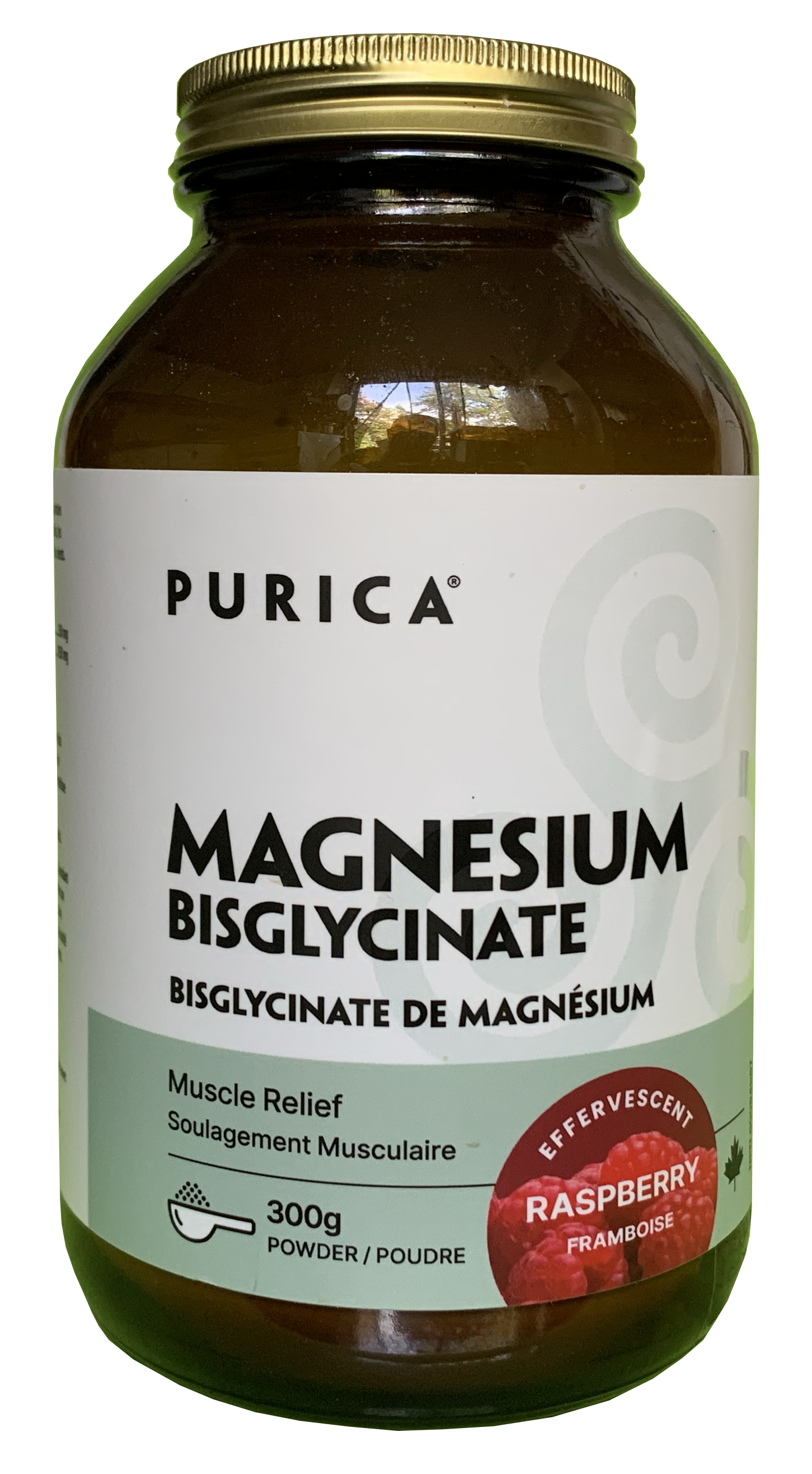
PURICA
Magnesium Bisglycinate
Effervescent raspberry powder — bisglycinate (glycinate) form. Primary example on My Protocol.
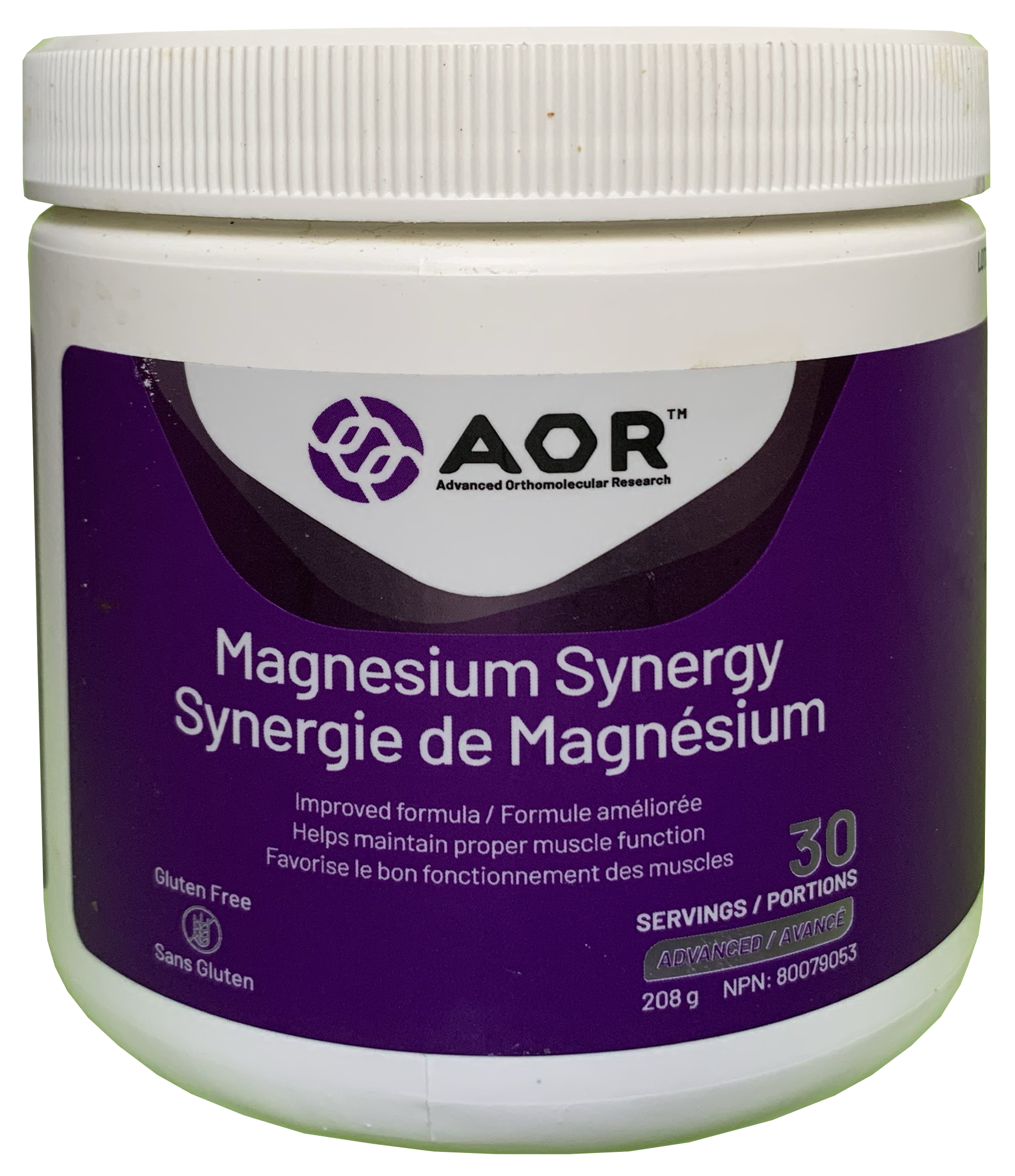
AOR
Mag Synergy
Powdered multi-form magnesium (glycinate + malate) with electrolytes and cofactors — lemon flavour.
AOR
Magnesium Glycinate
Pure magnesium glycinate single — gentle on the gut; educational shelf example alongside Mag Synergy multi-form blend.
References & further learning
PubMed and agency links are starting points; always read primary papers and consult professionals for personal decisions.