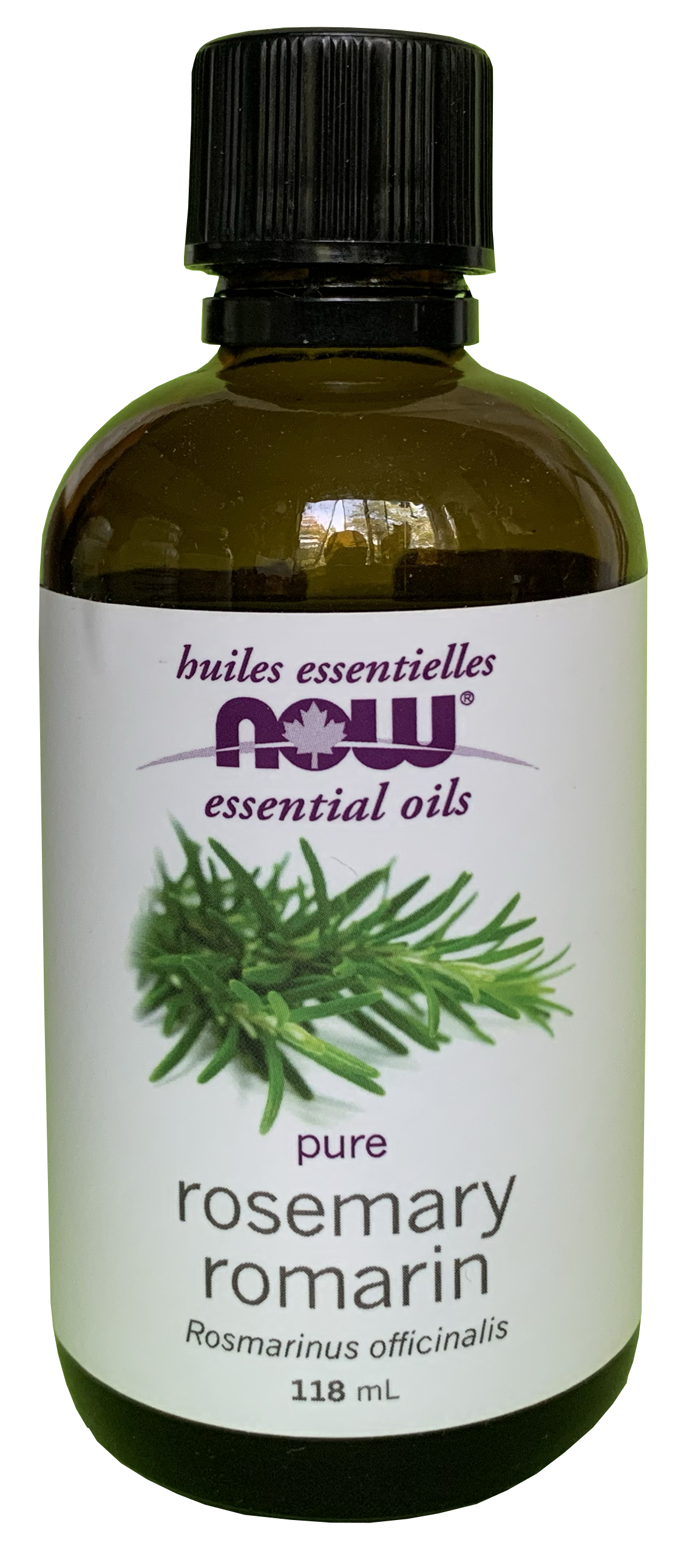
Terpene chemistry — 1,8-cineole and companions
Rosemary essential oil composition varies by chemotype (cineole-type, camphor-type, verbenone-type, etc.). Educational labels often highlight:
- 1,8-Cineole (eucalyptol) — An oxide-terpene also familiar from eucalyptus education; discussed in respiratory-aroma and antimicrobial-model literature.
- Camphor, α-pinene, borneol, limonene — Contribute scent, perceived “clarity,” and the oil’s intensity profile.
- Phenolic diterpenes in the leaf (context) — Culinary rosemary leaf is also studied for carnosic acid / rosmarinic acid antioxidant chemistry; steam-distilled essential oil is not identical to leaf polyphenol extracts — keep the forms straight (see culinary rosemary).
Lived daily oral-care example (My Protocol)
On My Protocol, rosemary oil is recorded as a daily habit (not an as-needed bottle): two drops on the toothbrush, tongue brushed thoroughly first, then the rest of the teeth — used instead of commercial toothpaste in that lived example. Framing: personal protocol + standing site disclaimer. It is not a claim that rosemary oil treats gum disease, replaces dental cleanings, or is appropriate for every mouth (orthodontics, ulcers, recent oral surgery, and pediatric mouths change the picture).
Immune / antioxidant terpene literacy
Within Journey2Health’s orthomolecular framing, rosemary oil joins oregano oil (carvacrol) and clove oil (eugenol) on the immune bulletproofing page as aromatic-plant literacy: terpenes and phenolics as traditional supportive chemistry beside the D3–magnesium–zinc core — never as a guaranteed “immune boost” product. Antioxidant teaching points belong to both leaf polyphenols and oil terpenes, with different evidence grades; hold mechanism humility.