Educational label — not medical advice. Essential oils are concentrated plant chemistry. They can irritate mucosa, interact with medications, and are unsafe for casual internal DIY use — especially in pregnancy, for infants, or with liver disease. This page teaches chemistry and traditional/orthomolecular
discussion. It does not claim oregano oil cures infection or replaces antibiotics or clinical care. See also the lived-experience note on
Bulletproofing Your Immune System (personal protocol, not a prescription).
Carvacrol chemistry — what the bottle is concentrating
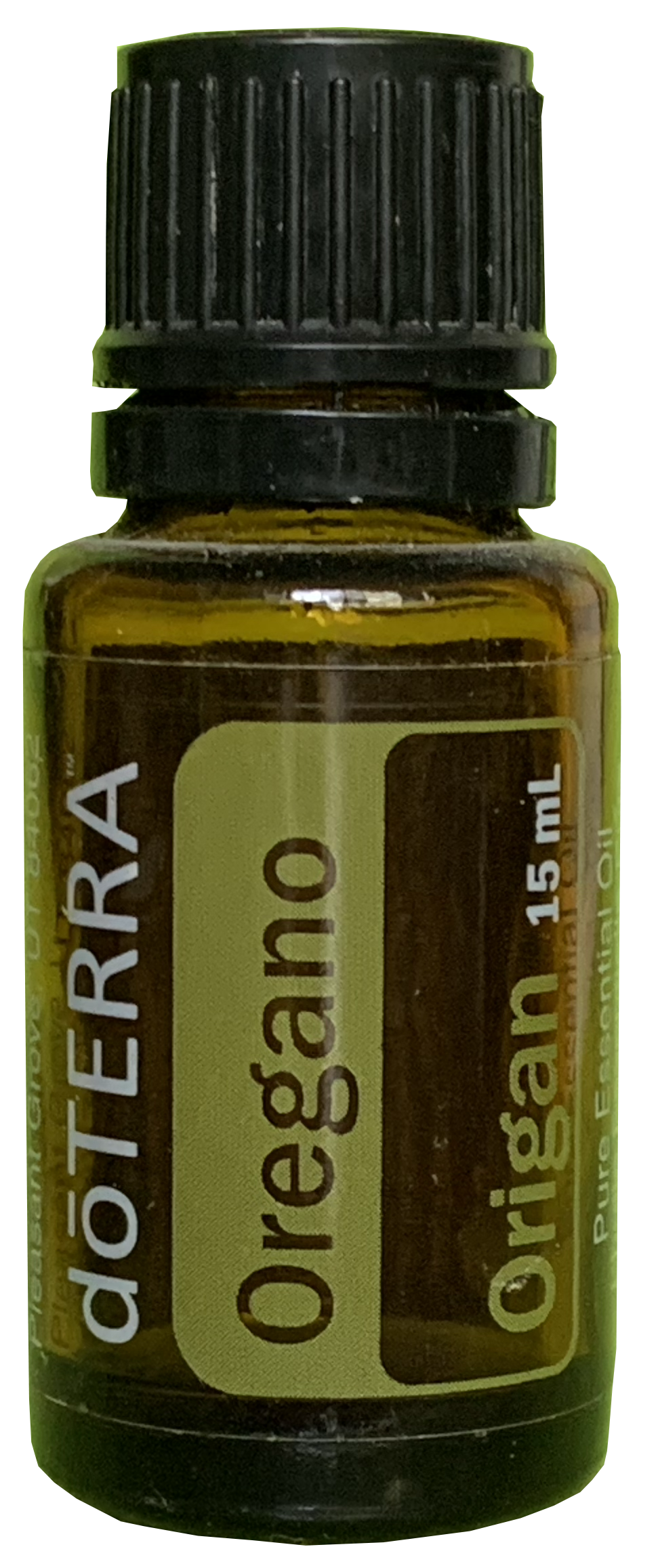
Oregano essential oil is a steam-distilled (or similarly concentrated) aromatic extract from Origanum vulgare or related oregano species. The dominant phenolic monoterpenoid in many commercial “oil of oregano” products is carvacrol, often accompanied by thymol, p-cymene, γ-terpinene, and related volatiles. Exact percentages vary by cultivar, harvest, and distillation — read the current label’s carvacrol assay when present.
- Phenolic antimicrobials (mechanism literacy) — Food-science and microbiology literature extensively documents carvacrol/thymol disrupting microbial membranes and metabolic function in vitro and in food-preservation models. That is chemistry literacy, not a clinical antibiotic equivalence claim.
- Lipophilicity — These phenolics dissolve preferentially in oils and membranes; concentrated oil is orders of magnitude stronger than a pizza sprinkle of dried leaf.
- Redox / aromatic context — Thomas Levy’s orthomolecular teaching and OMNS-style essays often place aromatic plant phenolics inside a broader oxidative-stress / terrain conversation beside ascorbate, minerals, and sleep — as supportive chemistry education, not as solo “kill the germ” products.
Immune / terrain literacy (education only)
Orthomolecular educators (Levy, OMNS, DoctorYourself / Andrew Saul lineage) repeatedly argue that host terrain — nutrient status, redox capacity, barrier integrity — shapes how a person meets microbes. Within that framing, oil of oregano appears in traditional and clinician-education discussions as a short-term concentrated aromatic tool some people keep for acute wellness windows, typically alongside (not instead of) foundational vitamin C, D3, magnesium, and zinc literacy.
- Not an antibiotic replacement in medical terms — Prescription antibiotics are regulated drugs with specific indications, resistance patterns, and monitoring. Oil of oregano is a dietary/essential-oil product. Do not delay emergency or clinical care for bacterial disease because of something you read here.
- Lived example (elsewhere) — One person’s recorded acute use appears on the immune essay as lived experience only: one drop, 2–3×/day when sick, framed as personal protocol — not a universal dose and not medical advice.
- Companions on this site — Cross-read clove oil (eugenol) and rosemary oil (1,8-cineole / antioxidants), plus the D3–Mg–Zn trio essay.
No cure / no substitute claims
Naming infection, antibiotics, or immune response on this page maps how nutritional literature discusses aromatic oils. It is not proof that oregano oil treats disease.
Culinary leaf vs essential oil
Dried oregano leaf is a kitchen spice with quantified nutrients on the culinary oregano page (USDA / nutritiondata-style food literacy). Essential oil strips volatiles into a tiny volume — useful for aromatics education, inappropriate as a “more oregano” food substitute. Never undiluted on broken skin or in eyes; many labels advise carrier-oil dilution for topical use; internal use belongs under clinician guidance.
Sources & further learning
PubMed and orthomolecular links are starting points for self-education — not dosing orders.