
Eugenol — the signature molecule
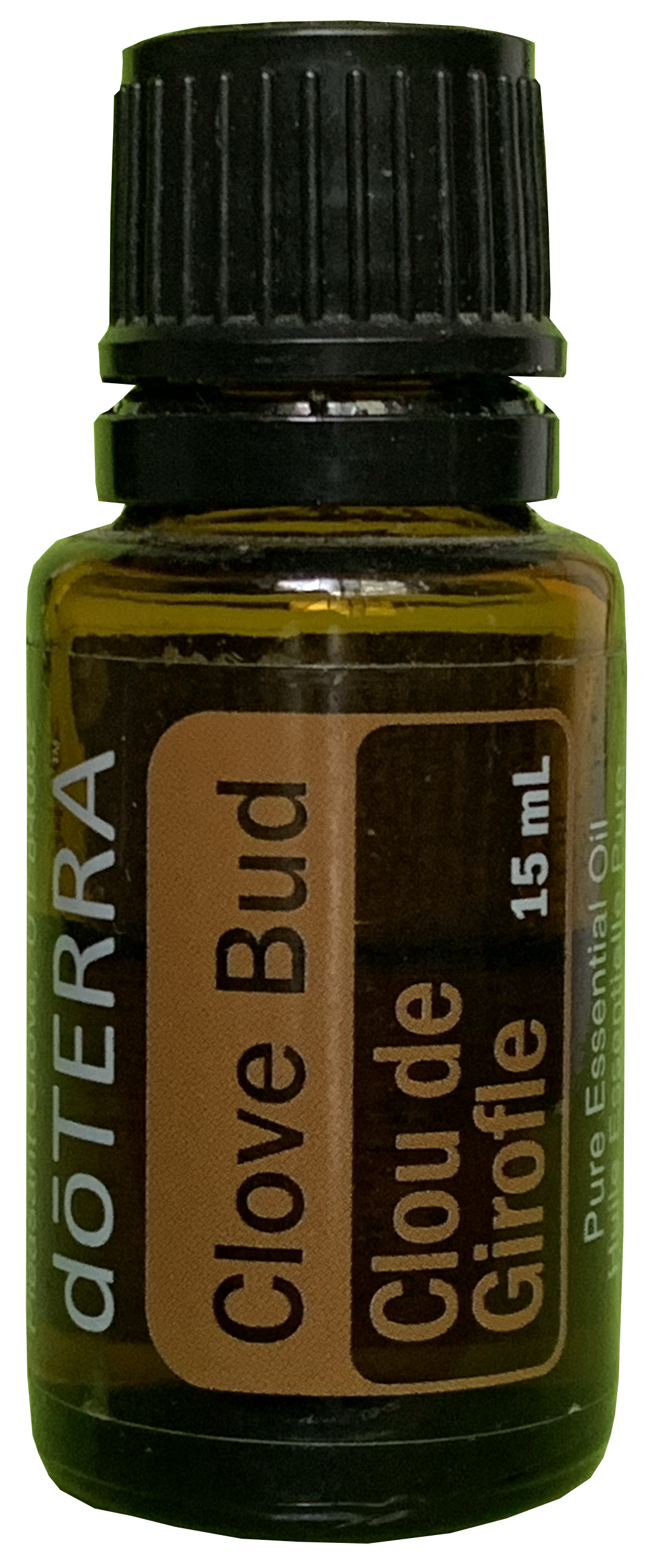
Clove bud essential oil is typically rich in eugenol (a phenylpropanoid), with lesser amounts of eugenyl acetate, β-caryophyllene, and related volatiles depending on distillation. Eugenol is also the historic active in some dental-analgesic traditions (zinc oxide–eugenol cements and folk “toothache oil”) — which is why oral-terrain literacy and clove oil are often taught together — still without turning a bottle into a dental clinic.
- Membrane / microbial models — Like carvacrol, eugenol appears throughout food-science antimicrobial literature as a phenolic that perturbs microbial membranes in vitro. Mechanism ≠ prescription.
- Antioxidant chemistry education — Phenolic structure invites redox discussion in nutritional literature; Levy/OMNS-style framing keeps phenolics as supporting cast beside ascorbate-mineral foundations.