Zinc product

Foundation

Zinc

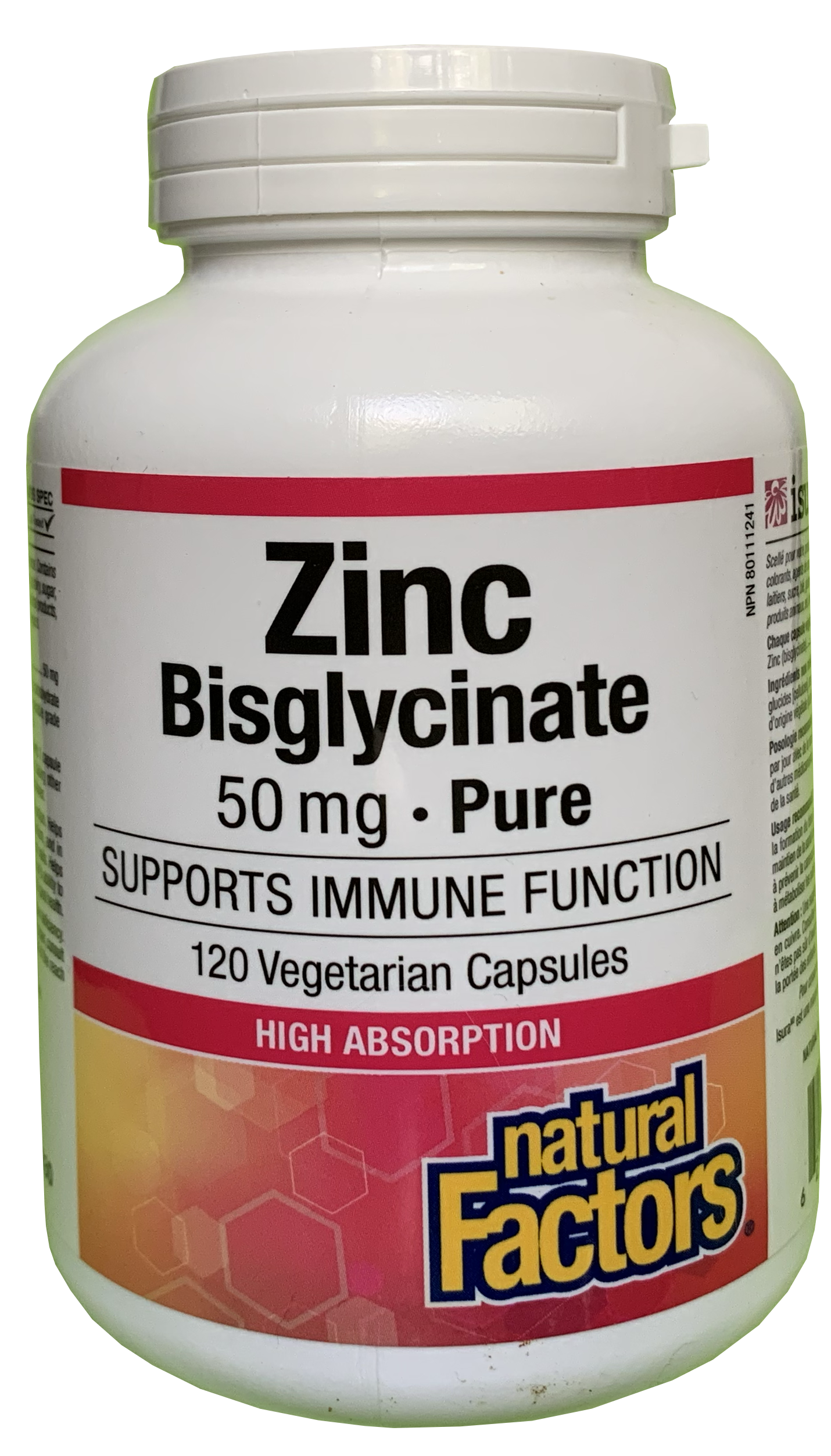
Educational overview — not a dosing prescription. Example product on shelf: Zinc Bisglycinate 50 mg.

← My Protocol All supplements
Trace mineral, not “more is better.” Zinc is essential — and excess chronically displaces copper and can impair immunity. Education first; labs and clinician input when deficiency is suspected.

What zinc is

Zinc is an essential trace element in hundreds of enzymes and zinc-finger transcription factors. It participates in DNA synthesis, protein synthesis, cell division, wound healing chemistry, taste/smell, and immune cell development.

Physiology depth

  • Catalytic & structural enzymes — Zinc is required by hundreds of enzymes spanning hydrolases, ligases, and transferases. It is also a structural ion in zinc-finger transcription factors that shape gene expression.
  • DNA / protein synthesis & cell division — Rapidly dividing tissues (immune cells, gut lining, skin) are educationally zinc-sensitive.
  • Innate and adaptive immunity — Thymic, neutrophil, NK, and T-cell teaching angles; frank deficiency clearly harms host defense. Orthomolecular writers discuss zinc alongside vitamin C in acute wellness literacy — still not a drug claim.
  • Barrier & skin — Acrodermatitis enteropathica is the genetic extreme teaching case; milder deficiency can show as poor healing or dermatitis patterns.
  • Taste & smell — Classic nutritional association with hypogeusia/hyposmia when deficient.
  • Reproductive biology — High zinc in prostate/seminal fluid historically noted; supplementation claims vary and belong with clinician context.
  • Antioxidant enzyme Cu/Zn-SOD — Structural role with copper; chronic high zinc can displace copper and impair this balance.
  • Hormone receptors & insulin storage folklore — Appears in nutritional texts; keep as literacy, not endocrine treatment.

Quantified food sources

Household figures below are scaled from USDA SR28 (same underlying USDA dataset historically shown on nutritiondata.self.com). nutritiondata.self.com was unreachable at edit time (DNS/server failure); NDB numbers are cited so values can be re-checked on nutritiondata.self.com when available, or via USDA FoodData Central.

  • Eastern wild oysters, raw — 6 medium (~84 g) (NDB 15167): zinc ~33 mg; vitamin B-12 ~7.4 µg; copper ~2.4 mg; iron ~3.9 mg; selenium ~17 µg.
  • Beef, ground 85% lean, broiled — 3 oz (85 g) (NDB 23568): zinc ~5.4 mg; protein-dense cooked patty example.
  • Pumpkin seed kernels, roasted — 1 oz (28.35 g) (NDB 12016): zinc ~2.2 mg; magnesium ~156 mg; iron ~2.3 mg.
  • Chickpeas, boiled — 1 cup (164 g) (NDB 16057): zinc ~2.5 mg; magnesium ~79 mg; folate ~282 µg; iron ~4.7 mg; protein ~14.5 g.
  • Cashews, raw — 1 oz (28.35 g) (NDB 12087): zinc ~1.6 mg; magnesium ~83 mg; copper ~0.62 mg.

Phytates in grains/legumes reduce absorption — soaking and varied menus help. Strict plant-based eaters may need more deliberate planning or fortified foods/supplements.

Forms & cautions

Bisglycinate (shelf example language on this site), picolinate, citrate, acetate, gluconate, and sulfate appear in products. Lozenges are studied in cold-duration literature with mixed results and can irritate mouths. Chronic high dose → copper deficiency (anemia, neurologic issues). Separate from tetracycline/quinolone antibiotics. Intranasal zinc has been linked with anosmia — avoid that route. Upper limits and pregnancy needs belong with professional guidance.

References & further learning

Video embed placeholder — see Health 101 playlist on the Videos page.

PubMed and agency links are starting points; always read primary papers and consult professionals for personal decisions.