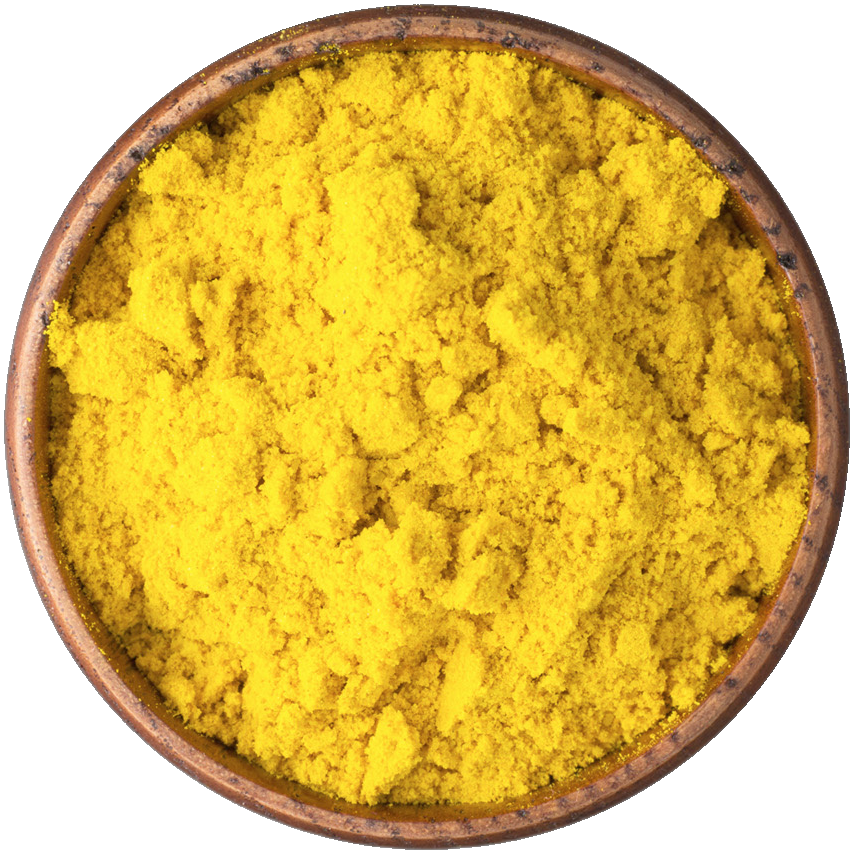
Orthomolecular / nutritional uses in the body
- Curcuminoids & redox framing — Turmeric’s yellow color tracks curcuminoid pigments. Orthomolecular and integrative educators discuss curcumin as an antioxidant / NF-κB-pathway conversation piece — Levy-style oxidative-stress literacy treats polyphenols as electron-donor allies in a broader ascorbate/redox terrain model. That is mechanistic education, not proof that turmeric powder reverses named diseases.
- Fat + piperine pairing — Traditional kitchen practice (and many supplement labels) pair turmeric with fat and black pepper (piperine). Educational framing: curcumin is lipophilic and has limited oral bioavailability alone; piperine can slow certain metabolism pathways in research models. Culinary golden milk is folklore-compatible; megadose curcumin extracts are a different product class.
- Inflammatory-pathway literacy — OMNS and DoctorYourself-linked writers often cite turmeric in joint-comfort and inflammatory-terrain conversations. Hold the distinction: population nutrition interest ≠ personal prescription for arthritis or autoimmunity.
Thomas Levy’s broader oxidative-stress educational model situates culinary polyphenols and aromatic spices as supportive redox-context foods beside foundational ascorbate/mineral literacy — not as standalone cures. See OMNS commentaries and Levy lectures archived via orthomolecular channels for that framing.
Conditions discussed in nutritional literature (education only)
Orthomolecular / DY-style educational conversations often place turmeric near inflammatory joint topics, metabolic kitchen support, and general antioxidant terrain — always as food-spice literacy, never as a substitute for diagnosis or disease treatment.
No cure claims
Condition names appear only to map how Levy / OMNS / DoctorYourself / traditional sources discuss kitchen spices. Presence on this page is not a diagnosis tool and not evidence that turmeric treats disease.
Quantified nutrients
Household figures below are scaled from USDA SR28 (same underlying USDA dataset historically shown on nutritiondata.self.com). NDB numbers are cited so values can be re-checked on nutritiondata.self.com when available, or via USDA FoodData Central.
- Turmeric, ground — 1 tsp (3.0 g) (NDB 02043): iron ~1.65 mg; magnesium ~6.2 mg; potassium ~62 mg; calcium ~5.0 mg; manganese notable per gram at spice scale.
- Turmeric, ground — 1 tbsp (9.0 g) (NDB 02043): iron ~4.95 mg; magnesium ~18.7 mg; potassium ~187 mg (scaled from per-100 g SR28).
Spices are used in gram-scale pinches; per-teaspoon density can still be educationally surprising for minerals like iron or manganese.
Historical & cross-cultural traditional uses
Native to South Asia; central to Ayurvedic and Southeast Asian cuisine and textile dyeing for centuries. European spice trade carried dried rhizome westward. Cross-cultural use includes ceremonial color, curry bases, and topical pastes in traditional practice. Modern curcumin extracts are twentieth/twenty-first-century concentrates — not identical to a teaspoon of kitchen turmeric.
Cautions
Gallbladder / bile-duct obstruction caution for concentrated curcumin; anticoagulant interaction conversations exist for high-dose extracts; culinary amounts are generally food-context. Stains skin and fabric. Essential oil / extract ≠ powder pinch.
References & further learning
PubMed and agency links are starting points; always read primary papers and consult professionals for personal decisions.