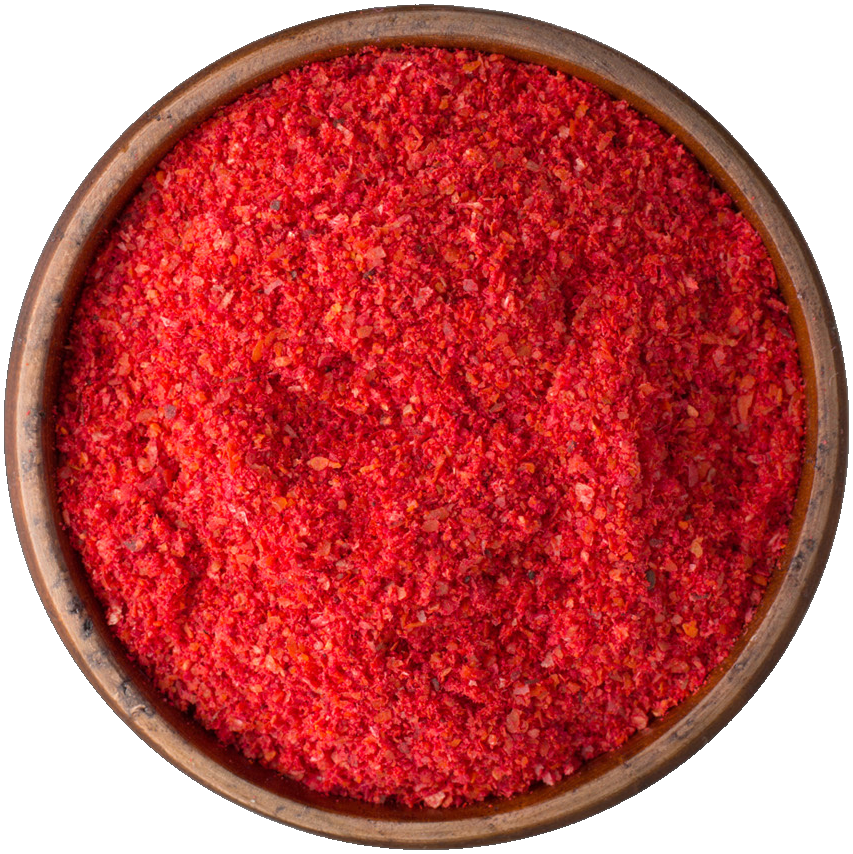
Paprika in wooden bowl

Powder spice

Paprika

Capsicum annuum (sweet)

Sweet (or smoked) Capsicum powder used for color and mild warmth — related to cayenne but typically lower heat; vitamin A carotenoid literacy appears in USDA spice tables.

← All spices Herbs library
Educational label — not a prescription. Culinary spices and kitchen herbs are discussed here as nutritional and traditional literacy — chemistry, history, quantified food composition, and orthomolecular/condition conversations found in Levy, OMNS, DoctorYourself, and related nutritional literature. This is not medical advice, not a claim that any spice cures disease, and not a reason to stop prescribed medicines. Essential oils are concentrated and are not the same as culinary pinches. Consult a qualified clinician before therapeutic use — especially if pregnant, on anticoagulants, have gallbladder/bile-duct issues, GERD, kidney disease, or allergies to related plants (e.g., Asteraceae for dandelion).

Orthomolecular / nutritional uses in the body

Paprika is dried sweet (or smoked) Capsicum powder — culinary color and mild warmth. Related to cayenne but typically lower pungency; USDA spice rows often highlight vitamin A activity from carotenoids.

Conditions discussed in nutritional literature (education only)

  • Carotenoid / vitamin A literacy — food-composition interest; not a megadose vitamin A protocol.
  • Culinary inflammatory-pathway folklore — Capsaicinoid content is usually low in sweet paprika vs cayenne; keep distinctions clear.

Quantified nutrients

Ground paprika entries in USDA-style tables list vitamin A RAE, small vitamin E, and minerals per teaspoon — useful for recipe literacy.

Historical & cross-cultural traditional uses

Hungarian and Spanish paprika traditions (including smoked pimentón) spread globally. New World Capsicum became Old World pantry color after Columbian exchange.

Cautions

  • Nightshade (Solanaceae) sensitivity is individual; culinary paprika differs from hot cayenne and from pepper sprays.
  • Smoked paprikas add flavor chemistry from smoke — food, not a detox claim.

References & further learning

  • USDA FoodData Central / historical SR28 spice composition rows — food-composition literacy.
  • Orthomolecular Medicine News Service (orthomolecular.org) — nutritional education context.
  • DoctorYourself.com / Levy nutritional literature — educational conversation, not protocols.
  • Traditional culinary herbals — historical use literacy only.