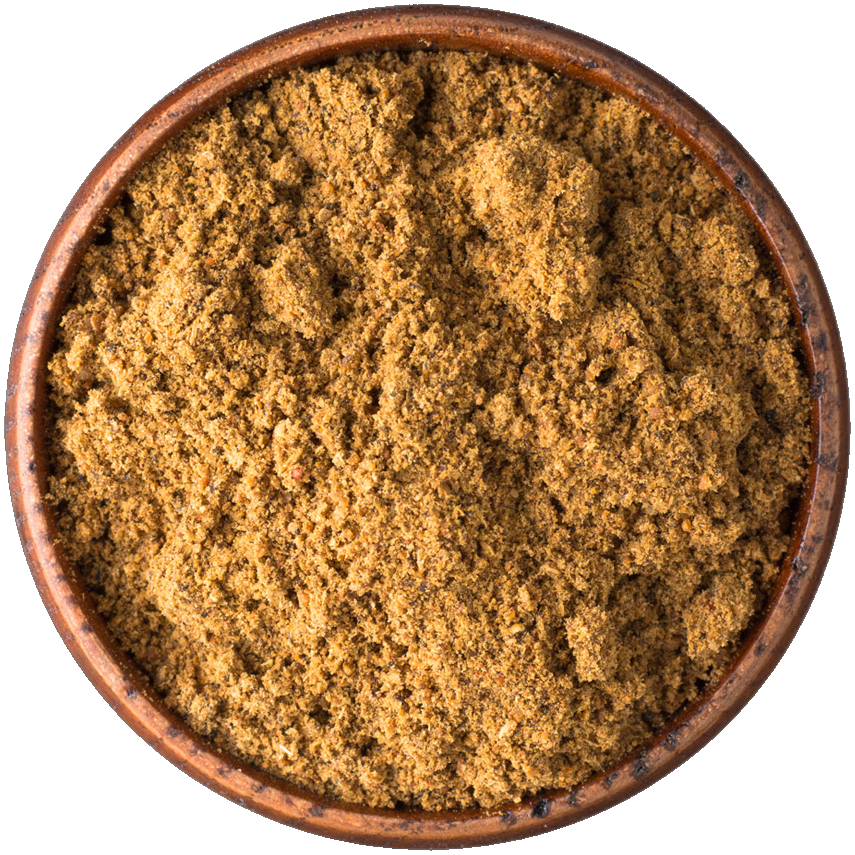
Orthomolecular / nutritional uses in the body
- Culinary vs toxic dose — Nutmeg contains myristicin and related compounds. Culinary grating is food; large spoonfuls can be toxic — orthomolecular literacy includes knowing when ‘more’ is dangerous.
- Mace twin — Mace is the lacy aril around the seed — related flavor, separate jar.
- Warming dessert tradition — Eggnog, béchamel, pumpkin spice — European and colonial culinary history.
Thomas Levy’s broader oxidative-stress educational model situates culinary polyphenols and aromatic spices as supportive redox-context foods beside foundational ascorbate/mineral literacy — not as standalone cures. See OMNS commentaries and Levy lectures archived via orthomolecular channels for that framing.
Conditions discussed in nutritional literature (education only)
Traditional digestive and calming folklore at food doses. Toxicity reports at abuse doses are educational cautionary tales, not protocols.
No cure claims
Condition names appear only to map how Levy / OMNS / DoctorYourself / traditional sources discuss kitchen spices. Presence on this page is not a diagnosis tool and not evidence that nutmeg treats disease.
Quantified nutrients
Household figures below are scaled from USDA SR28 (same underlying USDA dataset historically shown on nutritiondata.self.com). NDB numbers are cited so values can be re-checked on nutritiondata.self.com when available, or via USDA FoodData Central.
- Nutmeg, ground — 1 tsp (~2.2 g) (NDB 02025): manganese, fiber, and energy present; micronutrient contribution is modest vs toxicity risk of overuse.
Spices are used in gram-scale pinches; per-teaspoon density can still be educationally surprising for minerals like iron or manganese.
Historical & cross-cultural traditional uses
Banda Islands (Maluku) origin; colonial monopoly wars; spread into European cuisine. One of the classic ‘Spice Island’ prizes.
Cautions
Do not ingest large quantities; pregnancy caution for medicinal doses; essential oil concentrated. Keep away from children as ‘medicine.’
References & further learning
PubMed and agency links are starting points; always read primary papers and consult professionals for personal decisions.