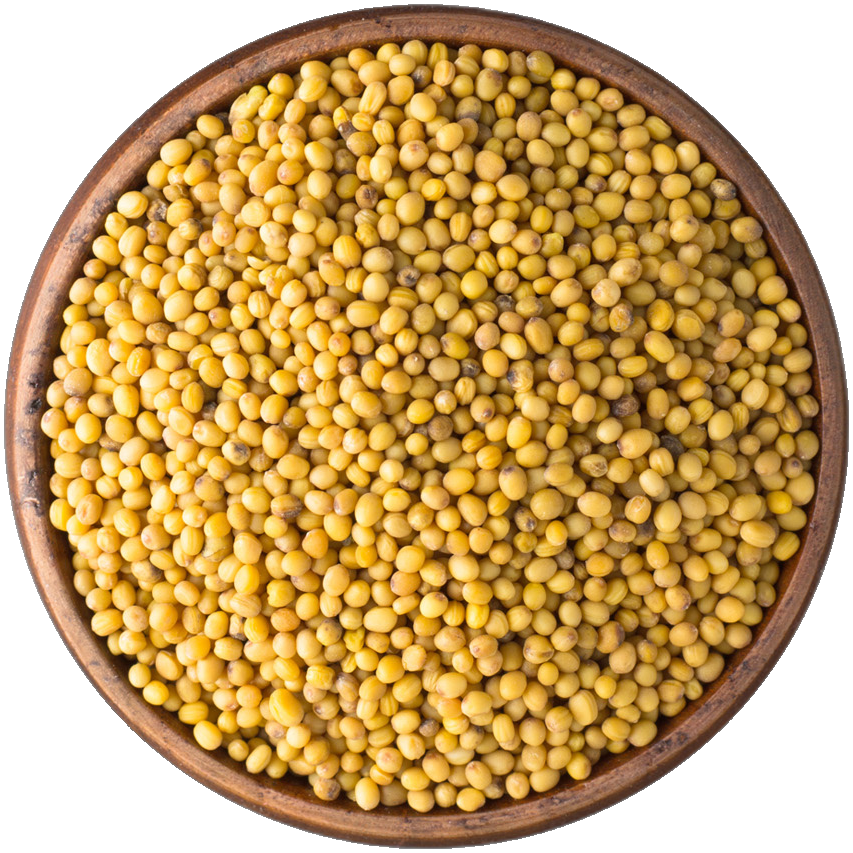
Mustard seed in wooden bowl

Seed spice

Mustard seed

Brassica / Sinapis

Pungent Brassica/Sinapis seeds (yellow, brown, or black) — kitchen heat from glucosinolate chemistry; educational nutrition focus stays on culinary seed use, not mustard oil therapeutics.

← All spices Herbs library
Educational label — not a prescription. Culinary spices and kitchen herbs are discussed here as nutritional and traditional literacy — chemistry, history, quantified food composition, and orthomolecular/condition conversations found in Levy, OMNS, DoctorYourself, and related nutritional literature. This is not medical advice, not a claim that any spice cures disease, and not a reason to stop prescribed medicines. Essential oils are concentrated and are not the same as culinary pinches. Consult a qualified clinician before therapeutic use — especially if pregnant, on anticoagulants, have gallbladder/bile-duct issues, GERD, kidney disease, or allergies to related plants (e.g., Asteraceae for dandelion).

Orthomolecular / nutritional uses in the body

Mustard seeds (yellow/white, brown, black) deliver pungency when crushed and moistened — myrosinase/glucosinolate chemistry familiar from the Brassica family. Educational nutrition treats mustard as a culinary spice, not a drug.

Conditions discussed in nutritional literature (education only)

  • Culinary metabolic interest — Brassica family compounds appear in nutritional literature; mustard seed is a kitchen form, not a standardized extract protocol.
  • Topical mustard plasters — historical folk practice; can irritate skin; not endorsed here as therapy.

Quantified nutrients

Mustard seed is relatively protein- and mineral-dense among spices by weight; household teaspoon amounts remain small contributors compared with food staples.

Historical & cross-cultural traditional uses

Mustard is among the oldest condiments — Roman mustum ardens, Indian black mustard tempering (tadka), and European yellow mustard pastes. Seed color and species shift heat and flavor.

Cautions

  • Mustard allergy exists; oils and flours can be more reactive than whole seed in a dish.
  • Essential mustard oil and industrial allyl isothiocyanate products are not culinary pinches.

References & further learning

  • USDA FoodData Central / historical SR28 spice composition rows — food-composition literacy.
  • Orthomolecular Medicine News Service (orthomolecular.org) — nutritional education context.
  • DoctorYourself.com / Levy nutritional literature — educational conversation, not protocols.
  • Traditional culinary herbals — historical use literacy only.