Orthomolecular / nutritional uses in the body
- Gingerols & shogaols — Pungent phenolics (gingerols in fresh; shogaols rise with drying/heat) are the educational chemistry story behind ginger’s bite. Nutritional literature discusses GI motility and nausea-context research — outcomes vary by form and dose.
- Digestion & warming tradition — Chinese, Ayurvedic, and folk European kitchens treat ginger as a warming digestive. Orthomolecular educators often list ginger tea in winter and travel-kit literacy alongside vitamin C terrain teaching — food support, not drug replacement.
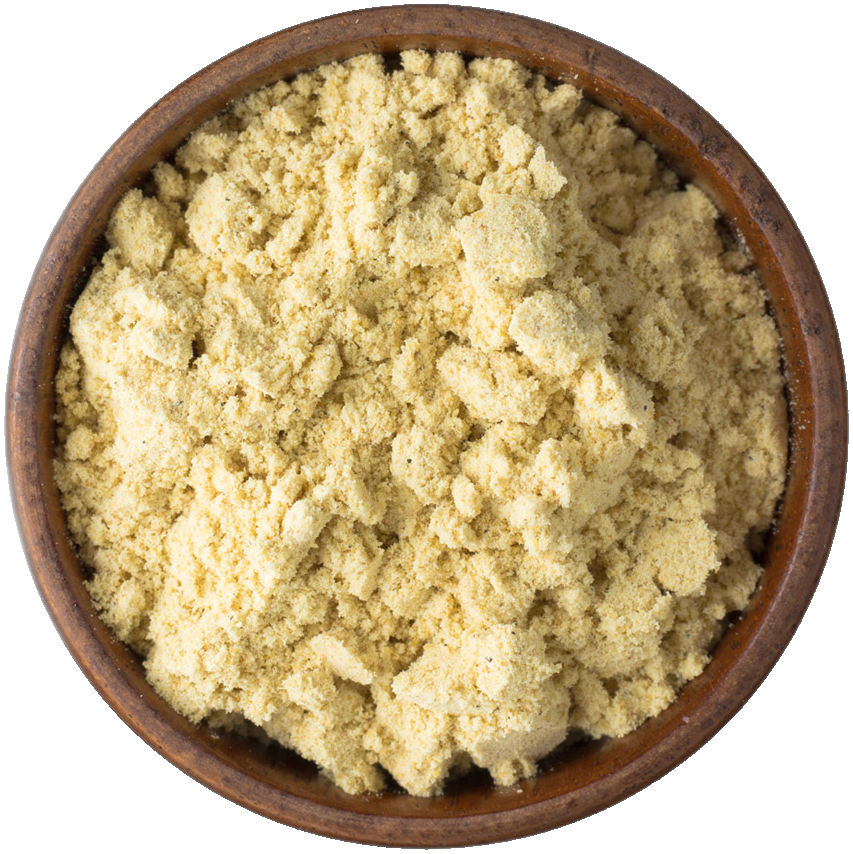
- Fresh vs ground — Fresh juice/root delivers different volatile balances than dried powder. Use kitchen intent: tea and stir-fry vs baking spice.
Thomas Levy’s broader oxidative-stress educational model situates culinary polyphenols and aromatic spices as supportive redox-context foods beside foundational ascorbate/mineral literacy — not as standalone cures. See OMNS commentaries and Levy lectures archived via orthomolecular channels for that framing.
Conditions discussed in nutritional literature (education only)
Educational mentions in nausea/motion, digestive comfort, and inflammatory-kitchen conversations appear in OMNS-adjacent and traditional literature. Not a substitute for clinical antiemetics when those are indicated.
No cure claims
Condition names appear only to map how Levy / OMNS / DoctorYourself / traditional sources discuss kitchen spices. Presence on this page is not a diagnosis tool and not evidence that ginger treats disease.
Quantified nutrients
Household figures below are scaled from USDA SR28 (same underlying USDA dataset historically shown on nutritiondata.self.com). NDB numbers are cited so values can be re-checked on nutritiondata.self.com when available, or via USDA FoodData Central.
- Ginger, ground — 1 tsp (1.8 g) (NDB 02021): iron ~0.36 mg; magnesium ~3.9 mg; potassium ~24 mg; calcium ~2.1 mg; selenium ~1.0 µg.
- Ginger root, raw — 1 tbsp sliced (~6 g) (NDB 11216): approximate kitchen portion; vitamin C and potassium modest; pungency is the functional story more than micronutrient density.
Spices are used in gram-scale pinches; per-teaspoon density can still be educationally surprising for minerals like iron or manganese.
Historical & cross-cultural traditional uses
Likely originating in maritime Southeast Asia; cultivated across India, China, and the tropics for millennia. Arabic and medieval European trade prized dried ginger. Candied ginger and ginger beer are later culinary evolutions.
Cautions
Can loosen stool or cause heartburn in sensitive people; theoretical anticoagulant conversation at high supplemental doses; gallstone caution in some herb texts. Culinary food amounts usually well tolerated.
References & further learning
PubMed and agency links are starting points; always read primary papers and consult professionals for personal decisions.