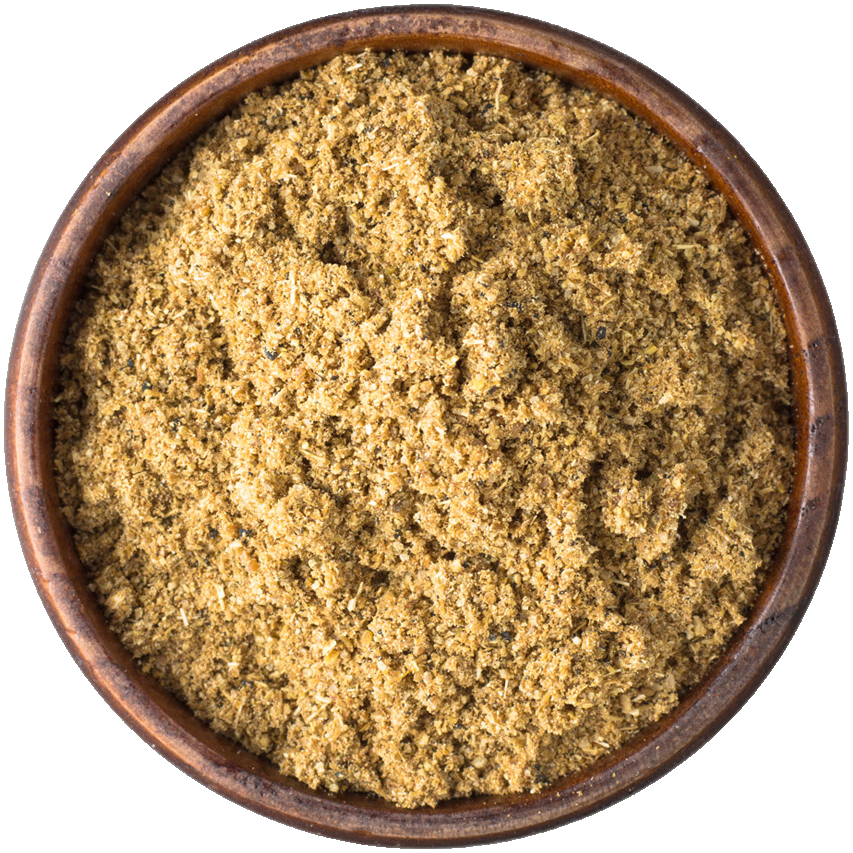
Orthomolecular / nutritional uses in the body
- Iron-dense spice literacy — Ground cumin contributes measurable iron per teaspoon in USDA tables — useful kitchen teaching for plant-forward diets (still not a therapeutic iron protocol by itself).
- Digestive / carminative tradition — Ayurvedic and Unani kitchens use cumin for digestive comfort folklore.
- Seed vs powder — Freshly toasted/ground seeds differ aromatically from pre-ground jar powder.
Thomas Levy’s broader oxidative-stress educational model situates culinary polyphenols and aromatic spices as supportive redox-context foods beside foundational ascorbate/mineral literacy — not as standalone cures. See OMNS commentaries and Levy lectures archived via orthomolecular channels for that framing.
Conditions discussed in nutritional literature (education only)
Digestive folklore and mineral-kitchen education. Not a treatment for iron-deficiency anemia by teaspoons alone.
No cure claims
Condition names appear only to map how Levy / OMNS / DoctorYourself / traditional sources discuss kitchen spices. Presence on this page is not a diagnosis tool and not evidence that cumin treats disease.
Quantified nutrients
Household figures below are scaled from USDA SR28 (same underlying USDA dataset historically shown on nutritiondata.self.com). NDB numbers are cited so values can be re-checked on nutritiondata.self.com when available, or via USDA FoodData Central.
- Cumin seed — 1 tsp (~2.1 g) (NDB 02014): iron ~1.4 mg; magnesium ~7.7 mg; calcium ~20 mg; manganese notable (scaled from SR28-style per-100 g).
Spices are used in gram-scale pinches; per-teaspoon density can still be educationally surprising for minerals like iron or manganese.
Historical & cross-cultural traditional uses
Eastern Mediterranean / West Asia domestication; mentioned in ancient Egyptian and biblical culinary-economic contexts; carried along Silk and spice routes.
Cautions
Generally recognized as culinary safe; rare allergy; essential oil ≠ seed.
References & further learning
PubMed and agency links are starting points; always read primary papers and consult professionals for personal decisions.