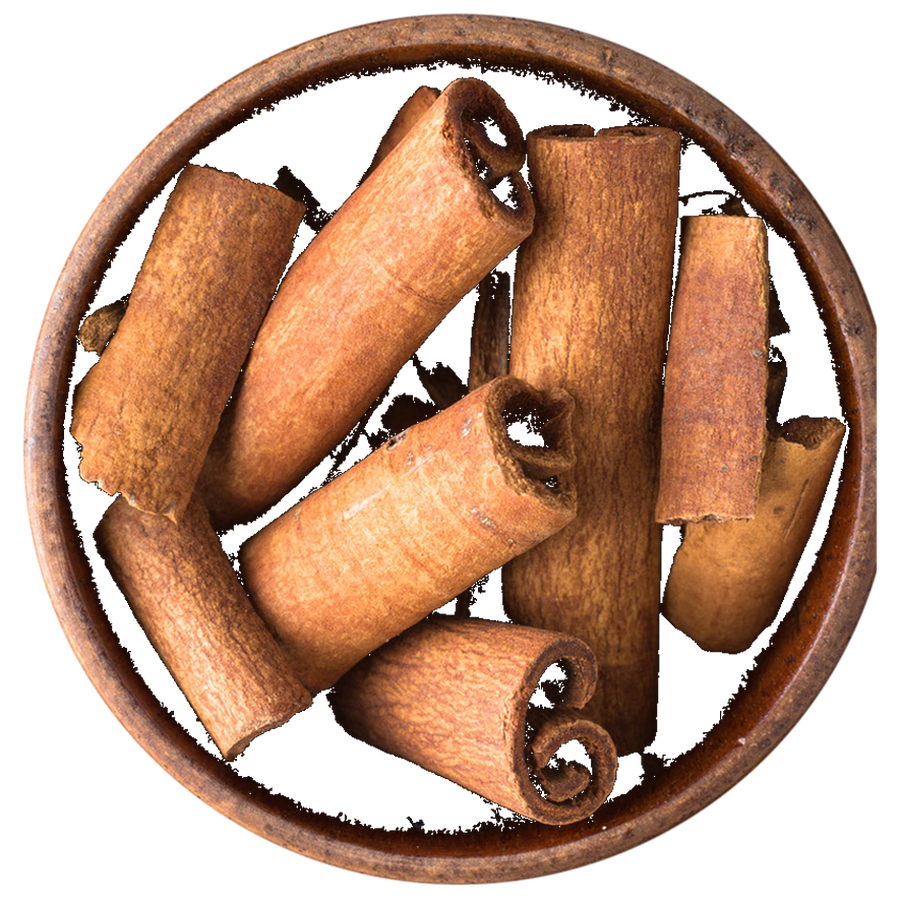
Orthomolecular / nutritional uses in the body
- Species & coumarin — Cassia cinnamon (common grocery) often carries more coumarin than Ceylon/true cinnamon. Coumarin literacy matters for people using teaspoons daily in ‘metabolic’ routines — education, not fearmongering about a dusting on oatmeal.
- Metabolic kitchen folklore — Cinnamon appears in blood-sugar kitchen conversations in popular nutrition media and some research. Orthomolecular teaching keeps food spice separate from drug dosing for diabetes.
- Polyphenol aroma chemistry — Cinnamaldehyde and related aromatics define flavor and are studied for antimicrobial and metabolic angles in labs — still not a license to replace medication.
Thomas Levy’s broader oxidative-stress educational model situates culinary polyphenols and aromatic spices as supportive redox-context foods beside foundational ascorbate/mineral literacy — not as standalone cures. See OMNS commentaries and Levy lectures archived via orthomolecular channels for that framing.
Conditions discussed in nutritional literature (education only)
Educational pairing with metabolic wellness topics and warming digestion folklore in traditional systems. Not a diabetes treatment.
No cure claims
Condition names appear only to map how Levy / OMNS / DoctorYourself / traditional sources discuss kitchen spices. Presence on this page is not a diagnosis tool and not evidence that cinnamon treats disease.
Quantified nutrients
Household figures below are scaled from USDA SR28 (same underlying USDA dataset historically shown on nutritiondata.self.com). NDB numbers are cited so values can be re-checked on nutritiondata.self.com when available, or via USDA FoodData Central.
- Cinnamon, ground — 1 tsp (2.6 g) (NDB 02010): calcium ~26 mg; iron ~0.22 mg; magnesium ~1.6 mg; fiber notable for a teaspoon of bark powder.
Spices are used in gram-scale pinches; per-teaspoon density can still be educationally surprising for minerals like iron or manganese.
Historical & cross-cultural traditional uses
True cinnamon historically tied to Sri Lanka (Ceylon) trade; cassia from China and elsewhere supplied much of global ‘cinnamon’ labeling. Ancient Egyptian, Roman, and medieval European apothecaries prized bark as luxury aromatic.
Cautions
Coumarin load with heavy daily cassia; liver caution for concentrated supplements; essential oil is potent and not a tea ingredient by the drop casually.
References & further learning
PubMed and agency links are starting points; always read primary papers and consult professionals for personal decisions.