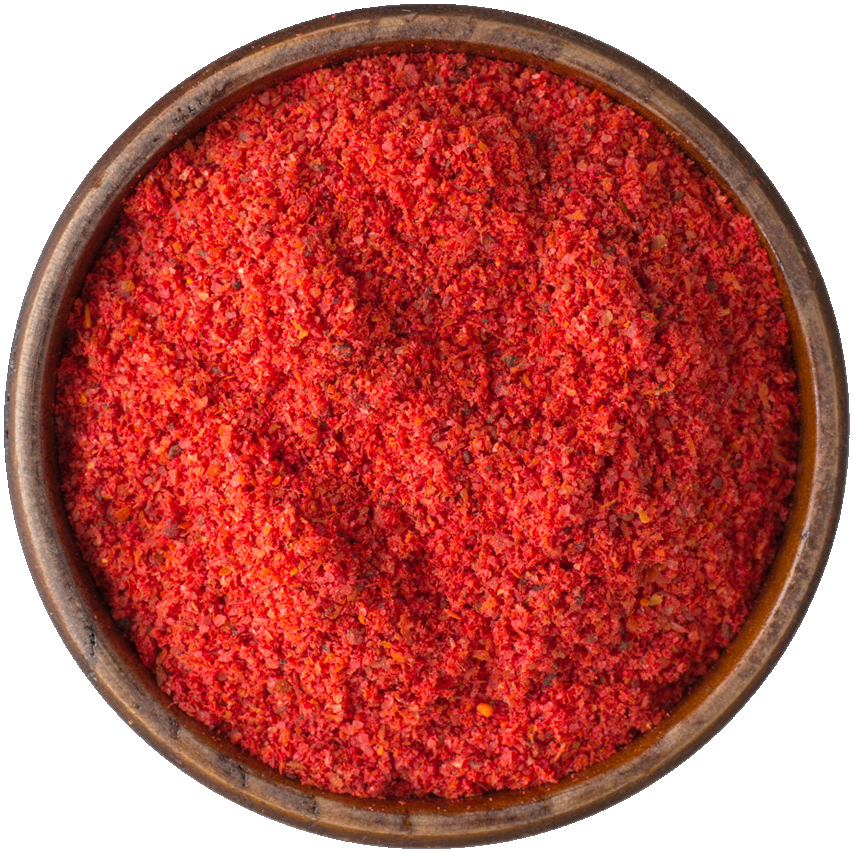
Orthomolecular / nutritional uses in the body
- Capsaicin & TRPV1 — Capsaicin activates heat/pain receptors (TRPV1) — the educational basis for ‘warming’ and topical chili rubs. Oral culinary cayenne is not the same as high-dose capsicum supplements or pepper-spray exposures.
- Circulation folklore vs meds — Folk ‘blood circulating’ language is common. Critical literacy: never stop prescribed blood thinners or cardiac meds because of cayenne tea folklore. Discuss culinary use with clinicians if you take anticoagulants.
- Vitamin A / carotenoid kitchen — Red pepper powders carry vitamin A activity (RAE) from carotenoids — educational micronutrient bonus at spice scale.
Thomas Levy’s broader oxidative-stress educational model situates culinary polyphenols and aromatic spices as supportive redox-context foods beside foundational ascorbate/mineral literacy — not as standalone cures. See OMNS commentaries and Levy lectures archived via orthomolecular channels for that framing.
Conditions discussed in nutritional literature (education only)
Traditional and OMNS-adjacent kitchens mention cayenne in warming, metabolic, and topical comfort folklore. Cardiac and bleeding-risk contexts need clinician guidance — education only.
No cure claims
Condition names appear only to map how Levy / OMNS / DoctorYourself / traditional sources discuss kitchen spices. Presence on this page is not a diagnosis tool and not evidence that cayenne treats disease.
Quantified nutrients
Household figures below are scaled from USDA SR28 (same underlying USDA dataset historically shown on nutritiondata.self.com). NDB numbers are cited so values can be re-checked on nutritiondata.self.com when available, or via USDA FoodData Central.
- Cayenne (red pepper), ground — 1 tsp (1.8 g) (NDB 02031): iron ~0.14 mg; calcium ~2.7 mg; magnesium ~2.7 mg; vitamin C ~1.4 mg; vitamin A RAE ~38 µg; potassium ~36 mg; vitamin B-6 ~0.04 mg; niacin ~0.16 mg.
Spices are used in gram-scale pinches; per-teaspoon density can still be educationally surprising for minerals like iron or manganese.
Historical & cross-cultural traditional uses
Capsicum species domesticated in the Americas; post-Columbian exchange carried chilies worldwide, transforming Asian, African, and European cuisines. Cayenne as a named powder/spice reflects New World botany meeting Old World naming.
Cautions
Burns mucosa and eyes; GERD/ulcer sensitivity; anticoagulant conversations for concentrated use; never apply essential oils or pure oleoresin casually. Keep away from children as ‘medicine.’
References & further learning
PubMed and agency links are starting points; always read primary papers and consult professionals for personal decisions.