Orthomolecular / nutritional uses in the body
- Piperine — Alkaloid associated with pungency; researched for effects on drug/nutrient metabolism enzymes — educational reason turmeric+pepper pairing appears on labels.
- Digestive fire tradition — Ayurvedic and European folk kitchens treat pepper as digestive stimulant. Orthomolecular pages often keep pepper in the culinary-ally column beside micronutrient foundations.
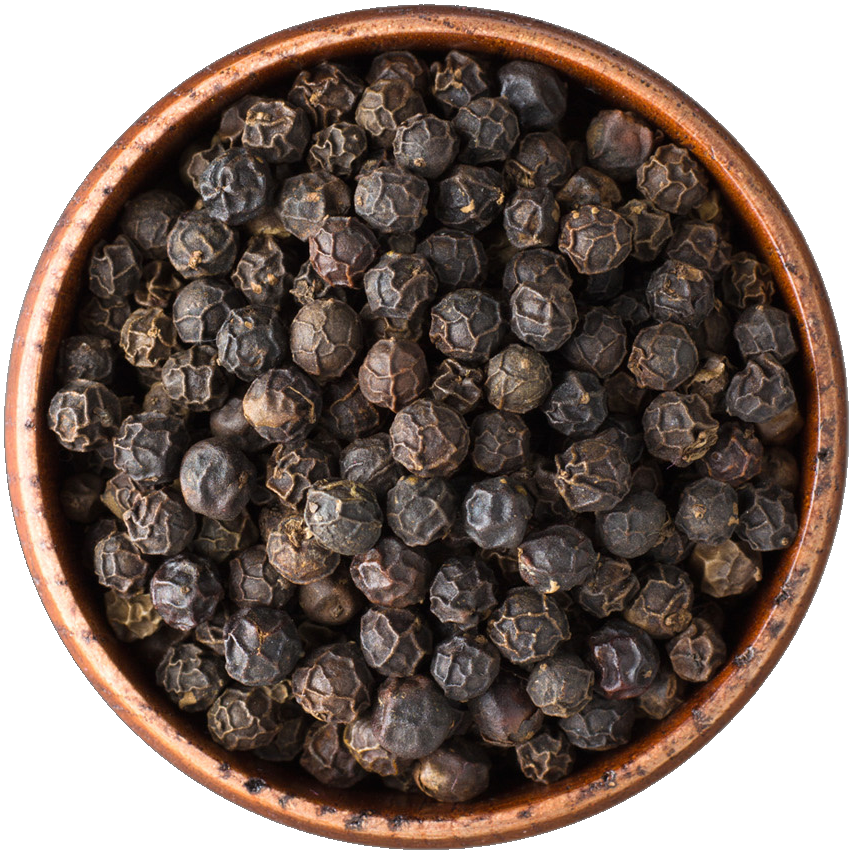
- White / green / black — Same species, different processing; black is cooked-dried whole berry.
Thomas Levy’s broader oxidative-stress educational model situates culinary polyphenols and aromatic spices as supportive redox-context foods beside foundational ascorbate/mineral literacy — not as standalone cures. See OMNS commentaries and Levy lectures archived via orthomolecular channels for that framing.
Conditions discussed in nutritional literature (education only)
Bioavailability adjunct conversations and digestive folklore. Not a medicine for specific diagnoses.
No cure claims
Condition names appear only to map how Levy / OMNS / DoctorYourself / traditional sources discuss kitchen spices. Presence on this page is not a diagnosis tool and not evidence that black pepper treats disease.
Quantified nutrients
Household figures below are scaled from USDA SR28 (same underlying USDA dataset historically shown on nutritiondata.self.com). NDB numbers are cited so values can be re-checked on nutritiondata.self.com when available, or via USDA FoodData Central.
- Pepper, black — 1 tsp (~2.3 g) (NDB 02030): manganese, iron, vitamin K present at spice scale; potassium modest.
Spices are used in gram-scale pinches; per-teaspoon density can still be educationally surprising for minerals like iron or manganese.
Historical & cross-cultural traditional uses
Native to Malabar coast (India); drove ancient and colonial spice routes. Pepper rents and pepper-priced ransoms are historical metaphors for value.
Cautions
Can aggravate reflux; piperine may alter medication levels in theory at supplemental doses — culinary grinding is ordinary food use.
References & further learning
PubMed and agency links are starting points; always read primary papers and consult professionals for personal decisions.