What selenium is
Selenium is a trace element incorporated as selenocysteine into selenoproteins. Key examples: glutathione peroxidases (peroxide detox), thioredoxin reductases, and iodothyronine deiodinases (thyroid hormone conversion T4→T3 educational angle).
Quantified food sources
Household figures below are scaled from USDA SR28 (same underlying USDA dataset historically shown on nutritiondata.self.com). nutritiondata.self.com was unreachable at edit time (DNS/server failure); NDB numbers are cited so values can be re-checked on nutritiondata.self.com when available, or via USDA FoodData Central.
- Brazil nut, dried — 1 kernel (~5 g) (NDB 12078): selenium ~96 µg — already near or above many daily reference amounts from a single nut. Content is extremely variable by soil; do not “handful” brazil nuts casually.
- Sunflower seed kernels, dry roasted — 1 oz (28.35 g) (NDB 12037): selenium ~22 µg; magnesium ~37 mg; zinc ~1.5 mg; copper ~0.52 mg (scaled from per-100 g).
- Egg, whole — 1 large (50 g) (NDB 01123): selenium ~15 µg; vitamin B-12 ~0.45 µg; vitamin D ~41 IU.
- Tuna, light, canned in water — 3 oz (85 g) (NDB 15121): selenium ~60 µg; niacin ~8.6 mg; vitamin B-12 ~2.2 µg; protein ~17 g (scaled).
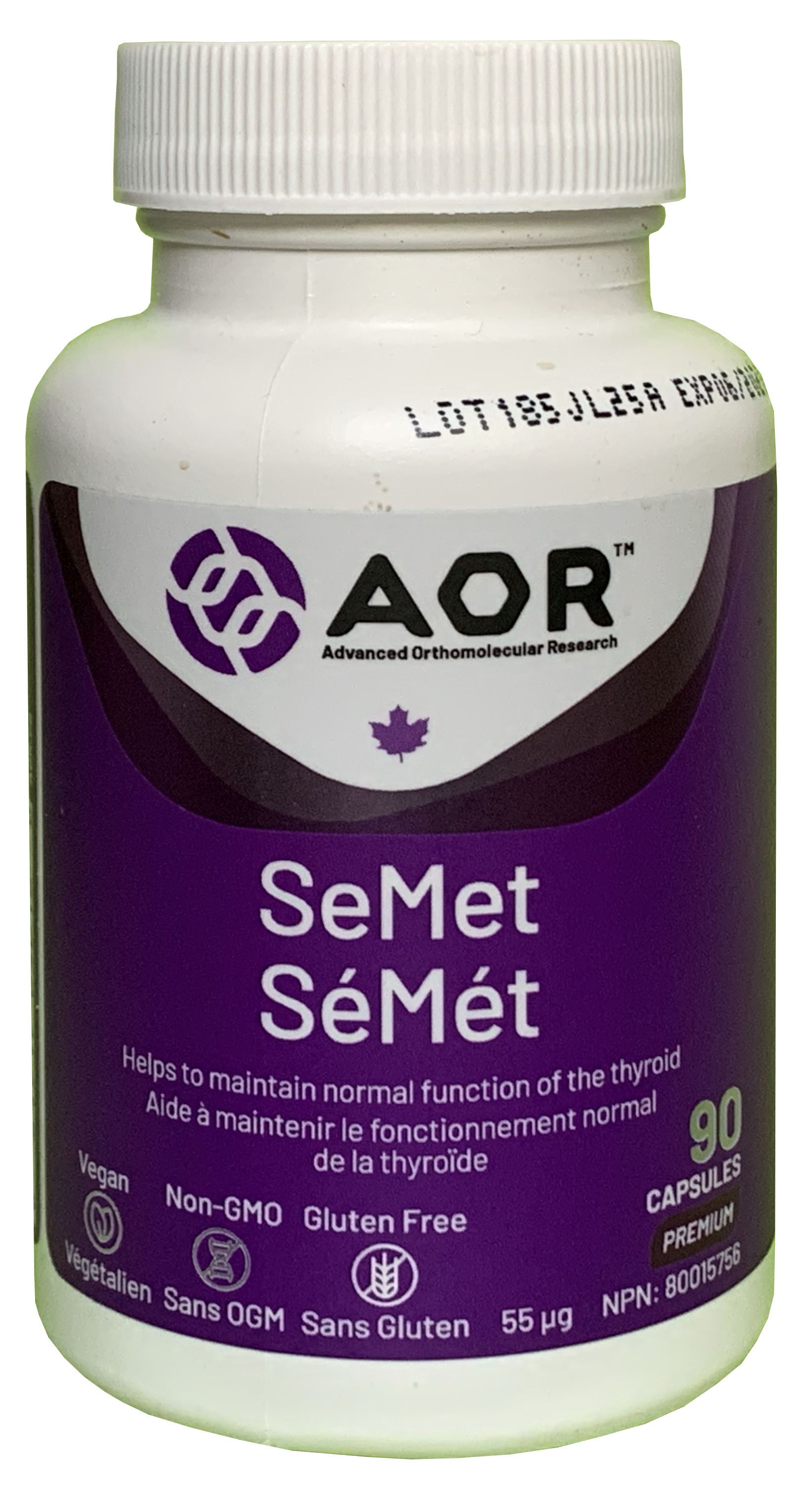
Food-first is wise; supplements (e.g., selenomethionine shelf examples) are for measured gaps under guidance.
Forms & cautions
Selenomethionine, sodium selenite/selenate, and selenium-enriched yeast differ in absorption and incorporation. Toxicity signs can include garlic breath odor, hair/nail brittleness, neuropathy. Cancer-prevention supplement trials have been mixed and sometimes concerning at higher doses — read primary data; do not self-prescribe oncologic regimens.
References & further learning
PubMed and agency links are starting points; always read primary papers and consult professionals for personal decisions.